
Atlantic Pacific is an NGO run by a group of experienced lifesavers and educators who are deeply concerned about the ongoing humanitarian crisis of global drowning.
A key problem identified in this crisis is a shortage of quality open-access sea rescue education, and of qualified people to deliver it.
Atlantic Pacific is fixing this shortage. We train today, so a life is saved tomorrow.
Who we are
Drowning is the world’s most preventable pandemic.
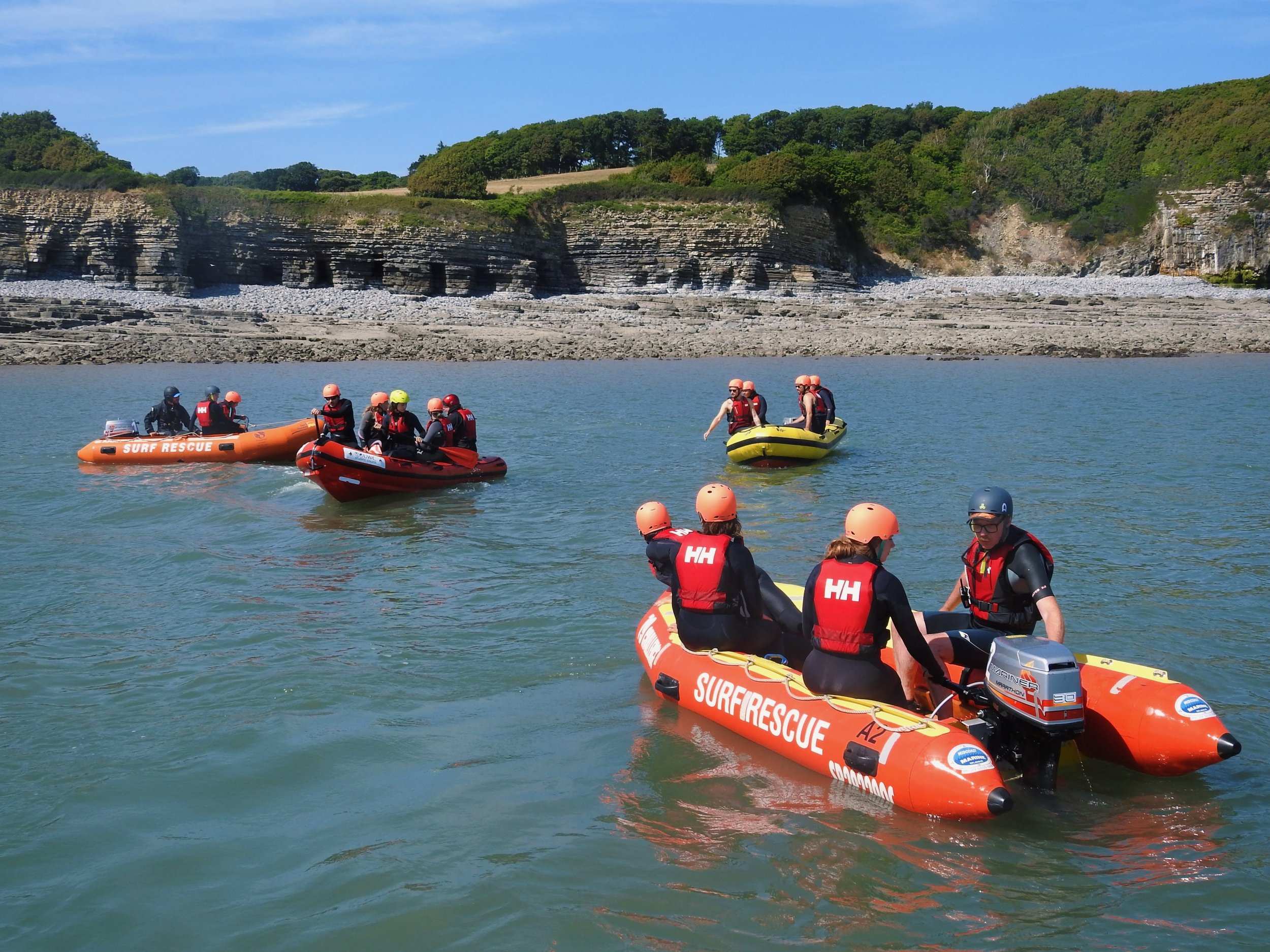
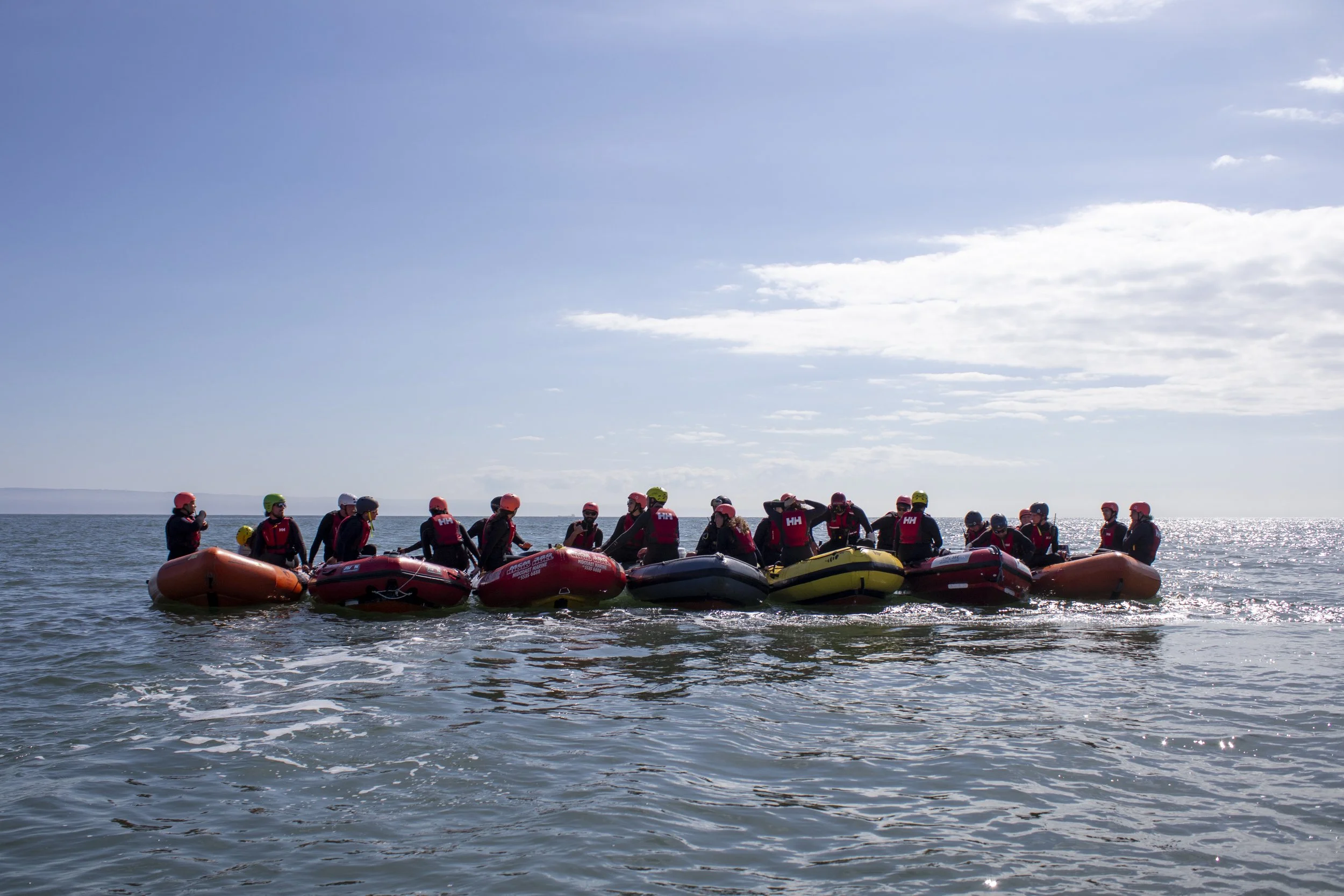
Atlantic Pacific designs and delivers training programmes that give people the skills to save lives at sea.
We offer training in sea safety and the ocean environment, as well as specialised training for people who work in humanitarian search and rescue fields.
At home, we have established training centres in:
In the field, we have trained at a number of field locations, including:
Lesbos
Sicily
Orkney Islands
Where do we operate?

Search & Rescue
-
Our highly trained crew is ready to deploy to emergency water rescue situations worldwide.
Many of our crew volunteer regularly in Greece and the Mediterranean as well as locally in their national or community water rescue services.
-
Based on extensive search & rescue experience, we design and deliver medical and SAR training programs to prepare and up-skill rescue workers operating in humanitarian crises.
We also support rescue agencies in the field on a case by case basis.

Education & Training
-
Global drowning rates are highest among children. We offer sea safety educational programming for young people in Japanese and English.
We also teach youth about the ocean environment and how climate change is causing an increase in water-related disasters.
-
Our courses were originally developed for maritime SAR but the skills learned can be applied beyond this field.
Preventative lifesaving is at the core of our pedagogy, whether we’re teaching SAR, recreational boat handling, or land-based First Aid. We offer courses in London, Wales, and Japan.

Community Outreach
-
Designed from a shipping container, the Atlantic Pacific Lifeboat in a Box provides the essential facilities of a lifeboat station in one transportable, self-contained unit that can be delivered to any location to operate immediately.
-
Innovation is at the heart of everything we do: AP was launched from our Lifeboat in a Box project and is rooted in the history of boat building at UWC Atlantic. So far, we have built 3 Hahn Class RIBs and are developing the design of our next RIB ‘Hahn Evolution’.
Many of our core crew have design, engineering, and boat building backgrounds. Ongoing projects include developing new courses, and a plastics recycling machine to reuse marine plastic waste.

Designing Sea Safety Solutions
-
Whether at our headquarters in London or at our stations in Kamaishi, Japan and UWC Atlantic in Wales, Atlantic Pacific engages in water safety work and awareness raising that is tailored to each community.
We work closely with local educational institutions, recreational organisations, rescue services, and municipal leaders.
-
Many dedicated individuals and organisations are doing crucial humanitarian SAR work.
Whether through training crew, mission consulting, equipment and skills assessment, online discussion forums, or partnering on specific projects, Atlantic Pacific fundamentally believes in collaboration and solidarity with people who do like-minded work.
The History of Atlantic Pacific
Our story is an unlikely tapestry, forever entwined with the devastating 2011 Tōhoku Earthquake and Tsunami in Japan in which 15,000 lives were lost. It ultimately weaves together a heritage of boat building on the Welsh coast, the resilience of tsunami survivors in Kamaishi, an ethos of SAR volunteering, solutions-oriented design, and an impetus to mitigate loss of life from drowning.

Atlantic Pacific founder, Robin Jenkins, visited Kamaishi, Japan in 2014. The area was severely damaged by the tsunami and memories of the disaster were painfully fresh.
He listened to many devastating stories from survivors and was shocked to realise that the coastal community did not have a lifeboat service. Institutions like the Royal National Lifeboat Institute (RNLI) in the UK, with whom Jenkins was a long time volunteer, simply aren’t a part of Japanese life.
Hearing the harrowing accounts he wondered how many lives could have been saved if the community had a service such as the RNLI.

“During this stay I heard a story that left a lasting impression. On the evening after the tsunami, the survivors went to look for others. What they witnessed is beyond most people’s comprehension. During the search, they could hear the crying of those who had been washed out to sea. Knowing there was nothing they could do, the rescuers remained on the beach listening to the cries fade. I asked them where their lifeboat was only to discover that there is no lifeboat service in Japan.”

“This story unsettled me so much that I began to wonder how to stop it from happening again. Unfortunately there is no magic solution. However, taking my design knowledge, experience as an RNLI lifeboat volunteer and my time at the United World College of the Atlantic, I could imagine one way of helping.”

Inspired by the resilience of the Kamaishi community and propelled by hopes of mitigating future vulnerability to disasters, the first Lifeboat in a Box was designed in the UK and delivered to Japan in 2016. It remains operational to this day, and it is from this initiative that Atlantic Pacific was established.
